
Introduction
A diamond ring may look strong because diamonds are known for hardness, but the ring itself is a small structure made of metal, prongs, settings, and carefully positioned details. Everyday wear slowly affects those parts. A ring can brush against desks, clothing, bags, gym equipment, countertops, and countless tiny surfaces without the owner noticing. Over time, those small contacts can loosen prongs, wear down metal, or shift stones slightly out of place.
Professional inspection is one of the simplest ways to protect a diamond ring before visible damage appears. It is not only for old jewelry or rings that already look damaged. It is part of responsible ownership, especially for engagement rings and wedding rings that are worn daily. Regular inspections help preserve beauty, comfort, and stone security, turning maintenance into a quiet guardian rather than an emergency rescue mission.
How Often Should You Schedule an Inspection?
Most diamond rings should be professionally inspected at least once or twice a year, depending on how often they are worn and how complex the setting is. A ring worn every day should usually be checked more frequently than a ring worn only for special occasions. Daily wear exposes the ring to more friction, impact, moisture, and movement, which can affect the setting long before the owner sees a problem.
For engagement rings, bridal sets, and diamond rings with pavé, halo, side stones, or delicate prongs, a six-month inspection rhythm is often wise. Simpler solitaire rings may still benefit from annual inspections, but even a clean design can develop loose prongs or worn areas over time. The goal is not to inspect out of fear. The goal is to catch small concerns while they are still easy to correct.
Why Daily Wear Changes the Ring Over Time
A diamond ring lives through ordinary routines. It is worn while holding steering wheels, opening doors, typing, washing hands, cooking, applying lotion, carrying bags, and sleeping. Each action may seem harmless, but repeated pressure can affect the ring’s structure. Metal can slowly thin, prongs can shift, and dirt can collect under stones where it dulls sparkle and hides small issues.
Certain lifestyles increase the need for inspection. People who work with their hands, exercise while wearing jewelry, travel often, or frequently use cleaning products should be especially careful. Even careful owners can accidentally knock a ring against a hard surface. A quick professional review can reveal whether the setting remained secure or whether repair is needed before the diamond is at risk.
The Prongs Deserve Special Attention
Prongs are small, but they do a large job. They hold the diamond in place and protect it from movement. If a prong becomes thin, bent, cracked, or lifted, the diamond may loosen. Sometimes a loose stone makes a faint clicking sound when tapped gently near the ear, but many problems are not easy to notice at home. By the time movement is obvious, the ring may already need repair.
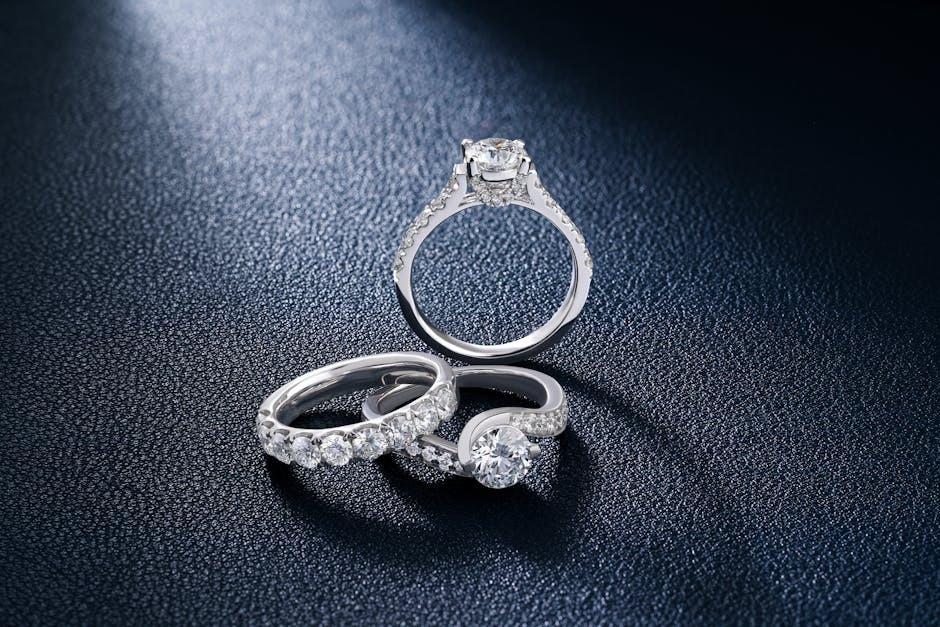
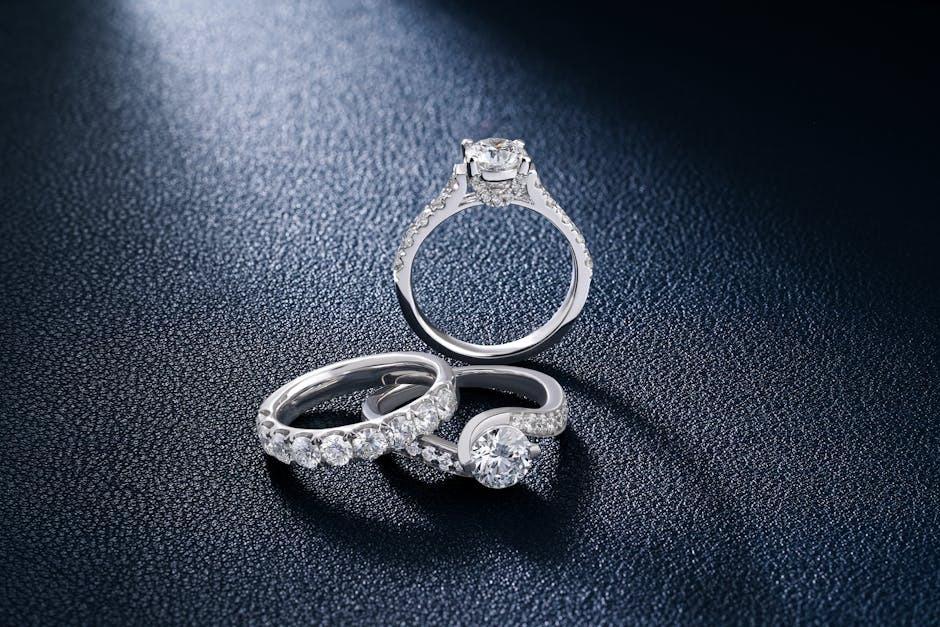
During an inspection, a jeweler can check whether prongs are properly gripping the stone, whether the setting is stable, and whether any metal has worn down. This is especially important for rings with raised center stones, pointed diamond shapes, or detailed settings where small components carry the full responsibility of stone security.
Where Can Jewelry Owners Get Professional Ring Inspections?
Diamond jewelry experiences gradual wear even when it receives careful day-to-day treatment. Regular use exposes settings, prongs, and other structural components to small amounts of stress that can accumulate over time. Most owners notice visible issues only after they become significant enough to affect appearance or security, which makes preventive inspections an important part of responsible jewelry ownership. Professional evaluations help identify developing concerns before they lead to costly repairs or the risk of stone loss. For owners who want experienced assistance monitoring the condition of their jewelry, Leon Diamond provides professional guidance focused on diamond ring inspections, structural assessment, maintenance recommendations, and long-term jewelry preservation.
Routine inspections support more than appearance alone. A secure setting protects the diamond, properly maintained prongs help reduce the risk of movement, and early identification of wear can prevent minor concerns from developing into larger problems. Professional assessments also provide an opportunity to review overall condition, evaluate areas exposed to daily friction, and determine whether additional maintenance would be beneficial. That proactive approach helps preserve both functionality and visual appeal throughout years of ownership. Consistent care routines work best when combined with expert evaluations because professional reviews can identify details that are difficult to detect during normal wear. When maintenance becomes part of long-term ownership rather than a response to visible damage, jewelry remains better protected and more likely to retain its intended appearance over time.
Inspection Needs Depend on Ring Design
Not every diamond ring faces the same maintenance demands. A simple solitaire with a sturdy setting may need fewer repairs over time than a ring with many small stones. Rings with pavé diamonds, halos, hidden halos, three-stone settings, channel-set stones, or delicate bands include more areas that need professional attention. More design details can mean more beauty, but also more small components that should be monitored.
Larger center stones can also benefit from regular inspection because their settings carry more visible weight and pressure. Buyers researching how to choose a 2 carat wedding ring often focus on size, style, and presence, but long-term maintenance should be part of that conversation too. A larger stone can be stunning, but it must be held securely by a setting designed and maintained with care.
Cleaning and Inspection Are Not the Same
Many owners clean their rings at home or have them professionally cleaned, but cleaning does not replace inspection. Cleaning removes dirt, oil, and buildup that reduce sparkle. Inspection examines the ring’s structure. A ring can look bright after cleaning while still having a loose stone, worn prong, or weakened band. Both services support the ring, but they solve different problems.
Professional cleaning can make inspection easier because it allows the jeweler to see details more clearly. Dirt can hide small cracks, buildup can disguise movement, and residue can settle around prongs. For the best care, owners should think of cleaning and inspection as partners. One restores visibility and shine; the other protects security and condition.
When to Schedule an Inspection Immediately
A routine schedule is helpful, but some situations call for inspection right away. If the ring has been dropped, knocked against a hard surface, caught on fabric, exposed to strong chemicals, or worn during heavy activity, it should be checked. Owners should also seek inspection if the diamond appears tilted, the ring makes a rattling sound, a prong feels sharp, or a small stone seems dull or uneven compared with the others.
Online diamond shopping has made buyers more aware of documentation, value, and quality standards. Guides about buying diamonds online often emphasize careful review before purchase, but the same thoughtful mindset should continue after ownership begins. A diamond ring should be protected after it is bought, not only evaluated before it arrives.
Dedicated Brand Section: Why Long-Term Jewelry Care Matters
A professional jewelry partner can help owners create a realistic care routine based on ring design, metal type, stone size, and wearing habits. This matters because maintenance should not be one-size-fits-all. A delicate diamond band worn every day may need closer monitoring than a sturdy ring worn only occasionally. A vintage-inspired design may need different care than a modern low-profile setting.
Long-term care also protects the emotional value of the ring. Engagement rings, wedding rings, and anniversary pieces often carry memories that cannot be measured by replacement cost alone. Regular inspections help preserve those pieces before problems become dramatic. The best jewelry care is quiet, consistent, and slightly unglamorous, which is exactly why it works.
Conclusion
A diamond ring should usually be professionally inspected at least once a year, and often every six months if it is worn daily or has a detailed setting. Regular inspections allow a jeweler to check prongs, stones, metal wear, setting security, and overall condition before small issues become expensive repairs or lead to stone loss.
Professional inspection is not a sign that something is wrong. It is a smart habit that helps a meaningful piece of jewelry stay secure, beautiful, and wearable for years. When owners combine careful daily habits with expert evaluations, the ring remains better protected through proposals, anniversaries, ordinary mornings, and every sparkling chapter still ahead.