Technology! Think of shiny phones, robust PCs, and buzzing robots. Yes, these are true marvels, but in chasing progress, we sometimes forget the old ways. Now, here’s something interesting: many new tech advancements actually learn from old methods and tools. Like the simple katana, Japan’s famous curved sword. Its design has been crafted over years of battle. Amazingly, it’s similar to the modern tech of our time.
A katana, special to Japan, is more than a pretty object. Hidden in its beauty is a powerful sword, treasured for its keen edge, robustness, and equilibrium. It owes its top-notch quality to a special process of craftsmanship. Unlike the swords of the West, formed from one metal piece, katanas are composite. They have a core (shin) made from softer, bendable steel for absorbing shocks. This core is wrapped up in a tougher, high-carbon steel (tsuba) that forms the sharp edge. The process involves careful folding and different hardening methods. The outcome? A sword blade that’s sturdy yet razor-sharp.
A katana, with its mingling of power and adaptability, reflects the rising trend in modern technology – the use of compound materials. This concept is used in everything from planes to skyscrapers. Aircraft wings, for instance, are lightweight aluminum bodies with sturdier materials like titanium at crucial spots such as wing supports. Likewise, tower buildings mix steel for the main structure along with lighter substances like concrete in the outer walls, ending up with a building strong and resilient against wind and earthquakes. Just like the katana, these blended creations show how mixing different materials lead to a better result.
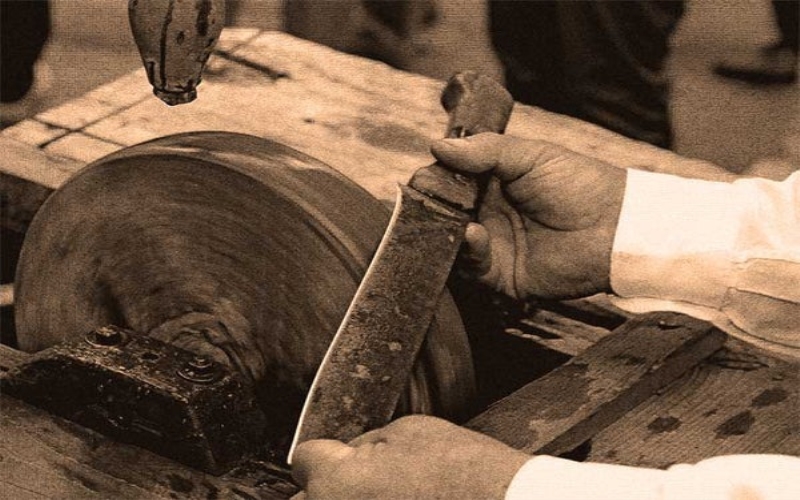
Just like the detail-oriented process of making a katana, precision engineering is also essential today. The act of forging a katana needed thorough focus. Monitoring heat, swinging the hammer correctly, and the use of various cooling techniques were all vital. They helped to make the final sword perfect. This precision is like what we see in modern times with CAD and CAM. With these tools, engineers can make complicated parts with high accuracy. These designs then become perfectly formed items through automated systems. A car engine’s detailed gears or a computer chip’s tiny circuits depend on exact engineering. This reflects the careful methods used to create the katana.
The link here is really cool. It’s about how to do more with less. Take the katana. This sword isn’t just sharp—it’s smart! Its curved design means less hard swinging, more quick slicing. It’s all about saving energy. Kind of like what we’re doing with tech today. Think LED bulbs. Think eco-friendly cars. We want tech that does what we need without wasting stuff. The katana did this centuries ago. Now, it’s our turn. We’re creating tech that works well and takes care of our planet.
Think about the Japanese samurai sword, not just as an old battle sword, but as a source of hidden knowledge that’s still useful today. It shows how we can join power with flexibility, precision with production, and striving for top effectiveness. These features are present in many high-tech gadgets you use daily. By linking the old with the new, we realize that our latest tech developments are guided by wisdom found in age-old tools. Next time, while staring at your latest phone’s glossy design or awed by a modern bridge’s power, remember the katana. This old sword proves that big strides forward often look to hints from history.