
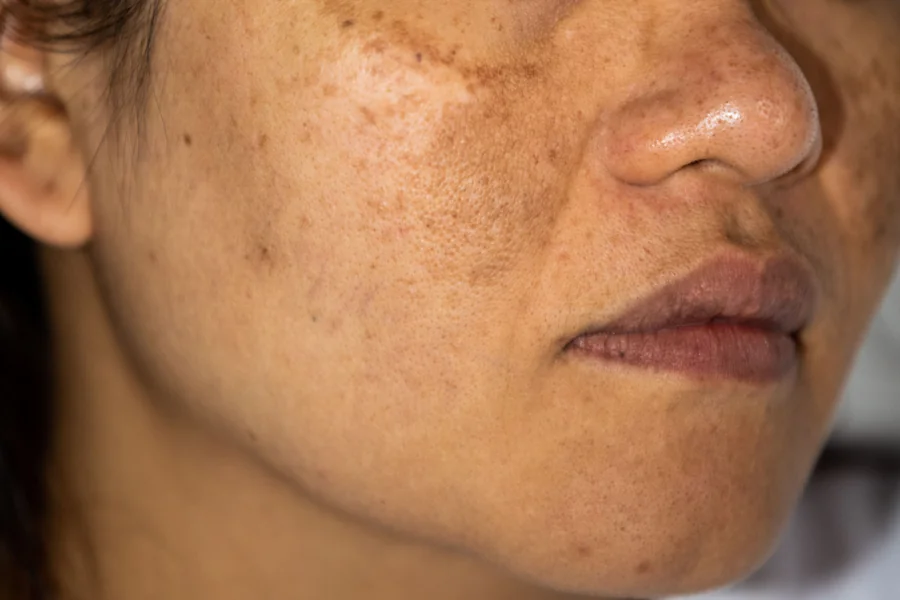
Pigment changes can feel a bit odd in practice. A client may begin a brightening routine, remain consistent for several weeks, and then notice discoloration appearing darker or more uneven under natural light.
In treatment room conversations, reassurance matters. This is because post-inflammatory hyperpigmentation rarely follows a neat, pretty timeline. Pigment often shifts before it stabilizes. The skin is not failing. Rather, it is moving through a response cycle.
This matters even more when the barrier is already reactive, dehydrated, or carrying the residue of prior inflammation. Acne marks, friction, heat, picking, aggressive exfoliation, and even a badly timed peel might keep melanocyte activity switched on longer than expected.
So, the visible darkness is not always a sign that the protocol is wrong. Sometimes it is a sign that the skin is finally turning over uneven pigment. The latter had been sitting lower, quieter, and less visible until renewal picked up.
What Is Primarily Happening in the Skin
Hyperpigmentation is not just surface-level discoloration; it is a signaling response within the skin. In simple terms, skin cells respond to stress by producing and distributing more melanin. Then the discoloration becomes trapped in a cycle of inflammation, oxidation, slow shedding, and repeated irritation.
As a result, clients do not simply need a brightening product. Essentially, they need a sequence that calms the message, that drives continued melanin production.
That is the part clients miss. Pigment might appear darker at first. This is because active turnover brings older, compacted discoloration upward where light hits it more directly. Meanwhile, inflammation may still be active below the surface. Therefore, a mark may appear more obvious before it begins to diffuse.
This is one answer to why pigmentation darkens first. Also, it is usually less dramatic than people assume. It is often a visibility issue mixed with a repair issue.
Understanding Post-Inflammatory Hyperpigmentation in Treatment Cycles
In aesthetic practice, post-inflammatory hyperpigmentation shows up after the event that triggered it seems long gone. For instance, the breakout flattened, the scratch healed, and the rash calmed. Yet the color stayed.
Then, once exfoliation or brightening begins, the tone might briefly look deeper around the edges or denser in the center. That does not mean the protocol created a new pigment every time. Rather, it might mean the skin is exposing uneven pigment more clearly while still trying to regulate inflammation.
This is also why one client improves in four weeks while another stalls for three months. The following factors influence the pace:
- Skin depth
- Tone
- Barrier status
- Heat exposure
- Home care consistency.
Moreover, when clients chase speed with too many acids or use vitamin C on already sensitized skin without enough hydration support, they can extend the inflammatory loop. The goal is not maximum stimulation, but controlled correction.
Why the Early Phase Can Look Worse
Many clients describe this stage as skin purging pigmentation. While not technically precise, the phrase reflects a common patient experience.
- Pigment appears darker or more defined
- Uneven tone becomes more noticeable
- Skin may feel temporarily drier
In reality, several things might overlap at once.
- Increased cell turnover might make existing pigment more visible.
- Irritation might intensify redness and visual contrast.
- Dehydration roughens the surface, making uneven tone catch light more harshly.
A calm protocol usually works better than a heroic one. This is where a structured approach to hyperpigmentation treatment shifts from aggressively targeting color to controlling the environment around it. Oxidative stress, UV exposure, friction, and barrier disruption all feed discoloration.
So the protocol has to quiet those drivers while gradually improving turnover. If the skin is not comfortable, the brightening conversation is already off track.
Apparent Worsening vs. True Setback
| Phase or Sign | What It Mostly Means | Better Next Move |
| Spots look darker after early brightening use | Existing pigment is becoming more visible as turnover changes | Reduce irritation, maintain consistency, support the barrier |
| Skin looks dull and uneven with mild flaking | Dehydration is amplifying contrast and roughness | Increase hydration and use gentler cleansing |
| New redness sits around old marks | Inflammation is still active and may prolong discoloration | Pause excess exfoliation and prioritize soothing support |
| Marks stay unchanged after repeated irritation | The protocol is too aggressive or too inconsistent | Simplify the routine and remove overlapping actives. |
The difference between transition and setback usually comes down to context. If the skin feels hot, tight, stinging, or persistently reactive, the protocol needs to be adjusted. Meanwhile, if the skin feels stable but the marks look temporarily more obvious, patience and barrier support carry the routine further than a stronger acid ever will.
The Protocol That Makes More Sense
For aestheticians, the smartest route is usually phased.
- Start with barrier stability
- Add controlled brightening
- Maintain strict daily protection.
This works because pigment responds best when inflammation stops getting fresh fuel. In fact, a formula centered on antioxidants and vitamin C is particularly effective in this phase. This helps especially if it is cushioned in a nourishing, brightening serum or face-oil texture rather than stacked alongside multiple peeling steps.
Step 1. Reset the Surface
Use a low-disruption cleanse that removes residue without leaving the skin squeaky or tight. Essentially, a soft, comfort-first cleanse keeps the barrier receptive. Also, it lowers the chance of friction-related darkening.
Step 2. Add Measured Brightening
Introduce vitamin C and antioxidant support once the skin feels steady rather than raw. This helps interrupt oxidative stress while supporting a more even-looking tone over time. At this stage, formulations include a brightening formula that includes emollients or barrier-supportive lipids.
Step 3. Build Hydration Around the Active
Humectants, replenishing creams, and recovery-focused textures help maintain skin comfort. If the surface stays flexible and calm, pigment correction tends to look smoother and more believable.
Step 4. Lock in Daily UV Protection
In general, brightening without consistent sun protection turns into a loop. Clients can undo progress quickly. This happens especially after heat exposure or incidental daylight.
What to Avoid When Pigment Looks Darker
Some mistakes are so common that they deserve plain explanations. They also explain why progress might stall even when the routine sounds correct on paper.
- Layering multiple acids, retinoids, and brighteners in the same week might contribute to rebound irritation.
- Chasing faster fading with scrubs or rough cleansing tools may increase the risk of more visible discoloration.
- Starting vitamin C during an actively inflamed phase without adequate hydration support might make the routine more challenging.
- Treating every dark mark as the same type of pigment leads to poor pacing and inconsistent results.
Clinical Insight: When a client reports worsening pigmentation, ask two questions before making any changes.
That distinction mostly reveals whether the issue is inflammation, dehydration, or simply increased visibility during turnover. |
Pigment Has a Timeline, and Support Changes the Outcome
At the outset, pigment shifts, stalls, and looks exposed for a bit. Then, with the right support, it starts to soften at the edges before the center follows.
In many cases, post-inflammatory hyperpigmentation improves more predictably. This happens when the routine protects the skin barrier and moderates inflammation. Also, it improves if it uses antioxidants and vitamin C in moderation.
The stronger message for clients is simple: Darker does not always mean worse. Sometimes it means the skin is finally moving through a repair phase. In many cases, this process is delayed by ongoing irritation, environmental stress, or insufficient recovery support.
The protocol must be calm, structured, and protective. This way, visible brightening looks more even and lasts longer. For clients dealing with persistent marks, recommend a thoughtful at-home routine, paired with guidance from aestheticians. This reflects how professional skincare protocols approach post-inflammatory hyperpigmentation in clinical settings.
This approach supports more consistent and predictable skin normalization over time.