Introduction
As firms look forward to operating in a post-COVID-19 world today and in the future, there are several trends that people in the workplaces will witness. People management has similarly shifted, with employers redesigning offices and managing desks to align with emergent preferences and behaviours. From this change, there have emerged features of offices enhancing the design, technology, and the use of space. New-age workplace trends like office space and room/ desk management services are still budding but companies like vizmo are leading this change and revolutionising it.
The Rise of Hybrid Work Models
Hybrid work model is another influential trend in modern workplaces that is affecting the organisation of offices today. This particular organisation model targets incorporating work from home and work from office options in an attempt to give employees a chance to choose when and which location they prefer to work. Hence, businesses are trying to find new approaches to the office design and assigning of desks and desks spaces for this new method of working.
The trend toward implementation of hybrid work arrangements has left organisations with lower demand for dedicated primary desks for each worker. However, in this new working order, organisations are adopting contracting and bookings systems including hot-desking and desk-sharing where people can book working spaces as they sit. This has led to development of complex systems used in door management in that it has summoned upscale desk booking, check in and the ability to analyse room use.
Activity-Based Working Environments
- Trend Emergence: Activity-Based Working is a relatively new concept which is different from the fully enclosed offices, but is also different from the fully open offices.
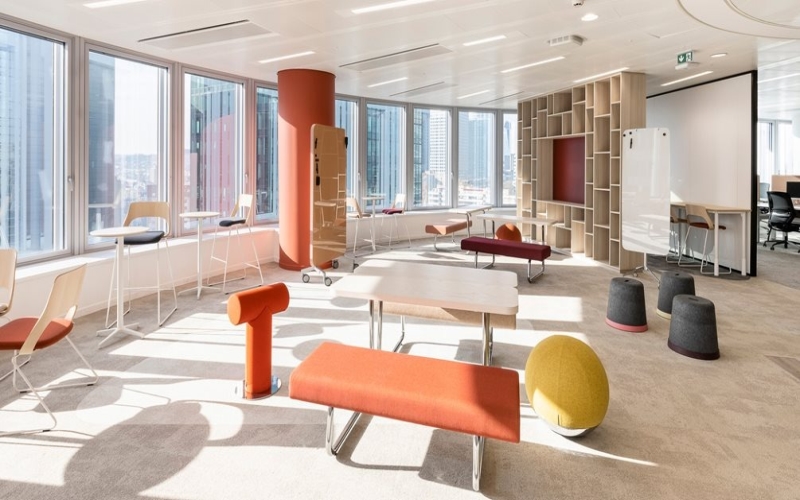
- Diverse Work Environments: ABW involves the spatial arrangement of the workplace in a manner that offers a range of settings for varied tasks and increases the ability of the employees to select settings to meet their preferences and needs.
- Decentralised Approach: This concept de-centralizes the working environment; it provides the employee with the choices of focus area, collaboration area, meeting room, and social area.
- Flexibility and Choice: ABW removes physical boundaries and affords the staff the opportunity of choosing the most appropriate place for a specific task boosting efficiency and creativity.
- Improved Outcomes: Growth in ABW has seen companies experience increased innovation, performance and then health of their employees.
- Strategic Management: The establishment of ABW environment entails proper design and management of spaces in most organisations; clinics inclusive to utilise higher room or desk management that assists greatly in identifying and measuring most spaces’ productivity to the clinics’ managers.
Prioritising Employee Well-being
Another trend affecting the workplaces is concern for employees’ health, both physical and mental, which has an impact on the designs of offices and the ways they are run. Organisations are beginning to realise that it is possible to achieve organisational objectives with less stress or sickness through good working conditions, ergonomics, and a healthier indoor environment attracting the best talent, increasing output and lessening truancy.
This trend is manifesting in various ways, including:
- Biophilic design: Modern application of the natural physical environment into the workplaces such as plantations, natural light and the use of natural products.
- Ergonomic furniture: Buying ergonomic furniture such as adjustable desks, chairs and other equipment that enhances the well being of employees.
- Wellness rooms: Special areas such as that which can be used to rest, pray, or exercise.
- Air quality improvements: Improving lighting and getting air condition and purification systems for the betterment of the indoor surroundings.
- Noise management: The application of noise control including installation of soundproof materials and design of noiseless areas to help avoid noise-induced stress.
For these purposes, companies are using desk and room management applications that enable workers to select a working environment depending on their requirements. For instance, workers might decide to get desks close to the natural sources of light for example windows or perhaps book the quieter spaces for work.
Technology Integration and Smart Offices
The usage of technology in different office layouts and configurations is another area that is seeing a lot of application in the workplace. Smart solutions in offices are gradually improving and providing opportunities for increasing the efficiency of working spaces, optimising the use of office space and acquiring important information for managers.
Key technological advancements shaping modern offices include:
- Internet of Things (IoT) sensors: These devices gather data about the occupation, conditions, and usage of equipment thereby improving the usage of space.
- Artificial Intelligence (AI) and Machine Learning: IoT sensors can also be leveraged by AI-featured systems; it is possible to allocate the spaces more effectively, forecast when maintenance will be needed, and control energy consumption.
- Mobile apps: Some of the examples include scheduling a desk for the day, assuming the booking of meeting rooms, controlling lights and temperatures, and even the movement within the rooms.
- Digital signage: Dynamic signage gives details on space usage, directions, as well as other vital messages on behalf of a firm.
- Contactless technologies: What enlightened me was the doors and buttons that are no touch regs, the elevators, and equipment which ensure hygiene and convenience.
These technological solutions are thus playing a crucial role, in the current and the forthcoming environment, in the management of office space and desks. They make the employees happier and more productive than before and also offer data about where and how the offices should be designed and how resources should be allocated.
Focus on Collaboration and Innovation Spaces
While the number of remote positions is growing, face-to-face communication appears to be a significant concept in the workplace. This is because organisations are changing the layout of their workplaces with the objective of creating an environment that encourages creativity as well as innovation and teamwork. This trend is evident in the increasing allocation of space for:This trend is evident in the increasing allocation of space for:
- Brainstorming rooms: Having writable walls, digital whiteboards and comfortable chairs for the participants to write on or sit and contribute towards.
- Project war rooms: The areas that are specifically allocated to the cross-functional teams for the focused long-term work on specific projects.
- Innovation labs: Spaces that have certain specific instruments and techniques required in establishing and experimenting with products. Given that innovation labs may use chemicals or other substances stored in drums for research and development purposes, Drum Spill Containment Pallets are essential. They can prevent spills that could disrupt experiments, damage equipment, or pose safety hazards to the researchers working in these spaces.
- Casual meeting areas: The areas where people can freely meet and discuss various topics without following strict schedules and meetings.
As for the situation with collaboration spaces, they should have strong booking systems, inscribed for the different types of spaces and for the separate periods of time. One of initiatives is the demand of companies on tools that let people find the right area for collaboration on their tasks and book it depending on the type of a meeting – it is from a 15-minutes standing meeting to a work sprint of a week.
Conclusion
The technological advancements, changing employee expectations and organisational needs are driving the evolution of workplace trends at a fast pace. From hybrid work models gaining prominence to sustainability and staff well-being emphasis, they have transformed office spaces and desk management techniques. As these shifts take place within companies, effective space utilisation strategies become more significant. This owed to the increasing emphasis on these trends by various people leading implementation in businesses with greater results.