
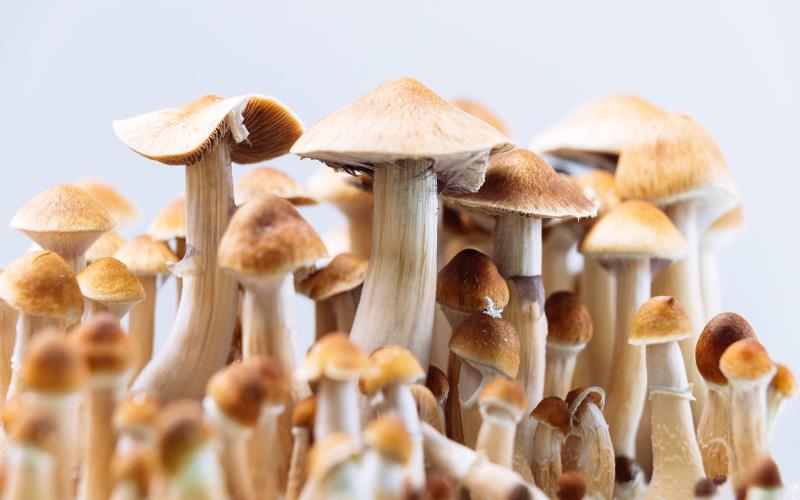
Lately, people are way more interested in eating magic mushrooms, especially the ones with psilocybin, the part that makes you trip. A surge in research showing promise for treating mental illnesses such as depression, anxiety, and PTSD with these fungi explains the renewed interest in them. It’s a very hopeful development. As traditional pharmaceutical treatments often come with a host of side effects and varying degrees of efficacy, many patients and healthcare providers are exploring alternative options.
It’s not just a trend—the increasing use of mushroom edibles marks a real turning point in mental health care. This approach is changing how we view and treat mental illness. Psilocybin mushrooms are getting more attention in medicine, thanks to groundbreaking research. For example, studies at places like Johns Hopkins and Imperial College London have really made a difference. People in these studies experienced profound mood and perception changes from psilocybin; many saw lasting improvements in their mental well-being. This suggests a possible treatment for mental health issues.
More and more people are pushing to make psilocybin mushrooms legal for medical use, just like what happened with cannabis. This shift impacts both public perception and government decisions, leading to expanded research and potential new therapies.
Medicinal mushrooms: What are the advantages?
Some psychological disorders might respond well to treatment with psilocybin, a substance found in certain mushrooms. This is an exciting area of research with potential to revolutionize mental healthcare. Treating depression: that’s where this research gets exciting. Clinical trials have indicated that psilocybin can produce rapid and significant reductions in depressive symptoms, often after just one or two doses.
Unlike traditional antidepressants, which may take weeks to show effects, psilocybin can lead to immediate changes in mood and outlook. This quick response really helps people with serious depression or those whose usual treatments haven’t worked. Treating the root cause, not just the surface symptoms—that’s the power of psilocybin’s therapeutic action. It helps people get better in ways that simple symptom relief can’t match.
Clinical trial participants often describe feeling more open, self-aware, and connected—to people and the planet. Talking about tough times with others who get it? That’s how we create community and support each other. New brain pathways form when you use psilocybin. This brain reorganization may be the key to better mental health over time.
Using mushrooms for health reasons? Let’s look at the potential dangers and unwanted effects.
While mushroom edibles hold promise, potential risks and side effects are something to keep in mind. One of the primary concerns is the psychological impact of consuming psilocybin. Many people love it, but “bad trips” are a real thing. Imagine feeling overwhelming anxiety, intense paranoia, or completely losing your grip on reality. For those with mental health issues or a family history of psychosis, these experiences can be extremely challenging.
The power of a mushroom isn’t always consistent. Some are stronger than others, and that inconsistency can be risky. For example, one mushroom might be potent enough to cause illness, while another of the same species is completely harmless. This unpredictability is a major factor to consider. Unlike pharmaceutical drugs that are standardized for dosage and purity, mushroom edibles can vary widely in their psilocybin content. Unexpected things can happen because the amount isn’t always the same. This makes it tough to figure out the right dose.
Unsafe mushroom edibles are a real problem. A lack of oversight in production and sales means harmful ingredients or wrong labels could easily slip through. This makes safe use difficult.
The Legal Status of Mushroom Edibles for Medical Use
The legal landscape surrounding mushroom edibles varies significantly across different regions and countries. In some places, such as Oregon in the United States, there has been a pioneering move toward legalizing psilocybin for therapeutic use. In 2020, Oregon voters passed Measure 109, allowing licensed service providers to administer psilocybin in controlled settings.
The ruling sets a new standard for other states considering similar legislation. Discussions about the potential advantages of controlled psilocybin therapy are now widespread. Lots of places still say magic mushrooms are illegal, putting them in the same group as really dangerous drugs like heroin and cocaine. Research is slowed down, and patients who could benefit are blocked from getting the help they need because of this classification system.
Policymakers and health professionals are starting to think that making psilocybin illegal might backfire. New research suggests it could actually help people. As our understanding of mushrooms grows and public attitudes change, laws governing their medical use are likely to follow suit.
Expert Opinions on the Safety and Efficacy of Mushroom Edibles
Experts in psychiatry and pharmacology are increasingly vocal about the potential benefits and risks associated with mushroom edibles. A balanced approach—cautious yet hopeful—is being taken by many researchers studying psilocybin therapy. The potential benefits are exciting, but careful study is crucial. Dr. Psilocybin research is advanced by Roland Griffiths of Johns Hopkins University. He points out that tightly controlled settings are essential when using psilocybin. He believes psilocybin, when handled correctly by professionals, can be a very effective tool for people to heal and grow. More research is crucial to fully grasp the long-term consequences and safety of psilocybin. This is what leading experts emphasize. The initial results are encouraging, however, the studies haven’t included many participants, and the follow-up time has been short. Dr. Matthew Johnson, a respected researcher, argues that more inclusive, large-scale trials are essential. Only then can we be confident that the results apply beyond the initial study group.
He also points out that while psilocybin may be effective for some individuals, it is not a panacea; it should be considered as part of a broader treatment plan that includes psychotherapy and other supportive measures.
Recommendations for Safe and Responsible Use of Mushroom Edibles for Medical Purposes
Seeking Professional Guidance
For individuals considering the use of mushroom edibles for medical purposes, it is essential to approach this option with caution and informed decision-making. For psychedelic therapies, expert medical guidance is a must. Don’t hesitate to seek it out. Based on your personal mental health journey and present situation, these experts will offer their professional opinion on the appropriateness of psilocybin therapy. For example, they might consider any past trauma or current medication use.
Prioritizing Safety
Additionally, if one chooses to pursue mushroom edibles outside of a clinical setting, it is vital to prioritize safety by ensuring accurate dosing and sourcing mushrooms from reputable suppliers. Engaging in harm reduction practices—such as starting with a low dose and having a trusted friend present during the experience—can help mitigate potential risks associated with bad trips or overwhelming experiences.
Supportive environments aren’t built overnight; they require consistent effort and a commitment to inclusivity. Think of it like tending a garden – constant care leads to growth.
A safe, comfortable setting really helps psilocybin therapy work better.
Proceed with care and good information.
While mushroom-based medicine shows promise, it’s crucial to remember the inherent dangers. Think before you use them. As our understanding grows and opinions shift, we must approach the use of these powerful healing substances responsibly. Careful consideration is needed.