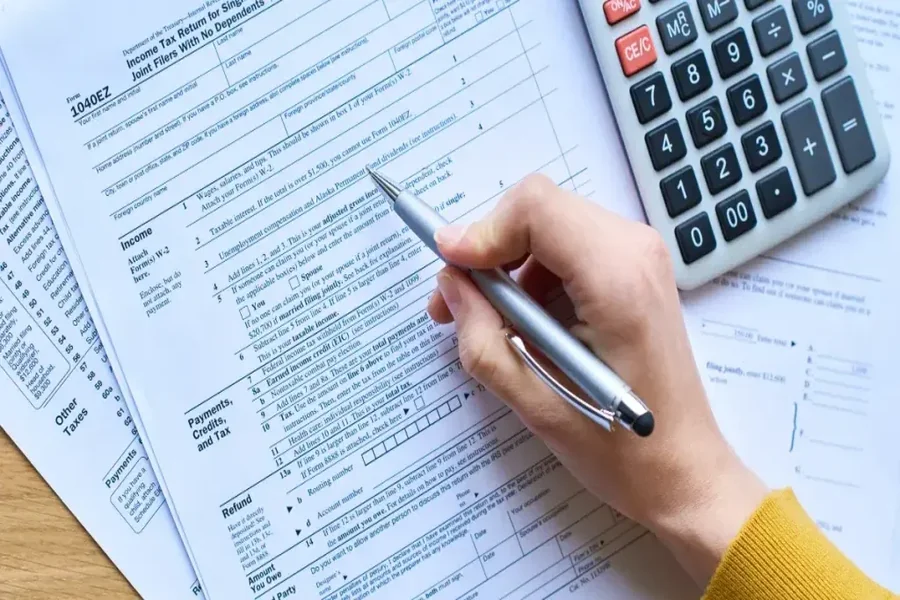
Filing an amended or late tax return can feel like walking into a dark room. You worry about penalties. You worry about letters from the IRS. You wonder if one mistake will haunt you for years. You do not have to face that fear alone. West Seattle tax accountants work with these problems every day. They know how to correct past returns, respond to IRS notices, and reduce damage when deadlines are missed. They also help you understand what happened, so the same mistake does not repeat. This blog explains how a tax accountant reviews your past returns, gathers proof, prepares corrections, and speaks for you with tax agencies. It shows when you should act fast, when you should wait, and what you can expect at each step. You get clear steps, calm guidance, and steady support when you feel exposed.
When you need to fix a past tax return
Life gets messy. You might move, change jobs, care for a parent, or face a health shock. During that time, tax forms can slip. Common triggers for amended or late returns include:
- Forgotten income like a side job or contract work
- Missed credits such as the Child Tax Credit or education credits
- Wrong filing status or wrong number of dependents
- Missing or late forms like a W-2 or 1099 that arrive after you file
- IRS letters that show a mismatch with what you reported
Each of these issues has clear rules. A tax accountant knows these rules and applies them to your case. That brings order to a problem that may feel chaotic.
What an amended return does
An amended return corrects a return you already filed. You use it to fix income, deductions, credits, or personal details. You do not use it to fix math errors. The IRS usually fixes those on its own.
The IRS explains amended returns on its site. A tax accountant works from these rules, then builds a clear story from your records.
Here is what an accountant usually does when you need an amended return.
- Pulls copies of your filed returns and all IRS letters
- Compares them to your pay stubs, bank records, and tax forms
- Finds each error or missing piece
- Prepares the amended return forms line by line
- Writes short notes that explain changes in plain language
- Tracks the status of the amended return after filing
This careful review protects you from new mistakes as you fix old ones.
What a late return does
A late return is different. It fills a gap for a year when you never filed. Many people fear that gap. They imagine a flood of penalties. Often, the outcome is less harsh than they expect, especially when they act before the IRS contacts them.
For late returns, a tax accountant helps you:
- Find out which years are missing
- Gather wage and income records from the IRS transcript system
- Rebuild records for expenses when you do not have receipts
- Prepare each missing return in the right order
- Plan payment if you owe, including options for a payment plan
The IRS also gives guidance on late filing and penalties. A tax accountant uses these rules to lower your exposure where possible.
How penalties and interest work
Penalties feel scary because you do not know the numbers. A tax accountant turns those unknowns into clear figures. That reduces fear and helps you make choices.
The main penalties are:
- Failure to file
- Failure to pay
- Accuracy related penalties in some cases
Interest grows on unpaid tax and on some penalties. It grows every day until you pay. An accountant can estimate the total cost so you see the true impact of waiting or acting now.
Common situations and how an accountant helps
| Situation | Risk if you wait | How a tax accountant helps
|
|---|---|---|
| Missed income on a filed return | IRS notice, extra tax, growing interest | Prepares amended return before the IRS acts and explains the error |
| Missed credit that would lower tax | Lose refund after three years | Finds missed credits and files amended return in time |
| Unfiled return for one year | Penalty, collection letters, refund loss | Recreates records and files the missing return fast |
| Several unfiled years | Levy risk, wage garnishment, heavy stress | Prioritizes years, negotiates payment, and responds to notices |
| IRS notice that you do not understand | Missed deadlines, stronger action by IRS | Reads the notice, confirms numbers, and sends a clear reply |
Communication with the IRS
Letters from the IRS often feel cold. The language can confuse and unsettle you. A tax accountant reads those letters every day. That routine experience makes a hard letter easier to face.
An accountant can:
- Check if the IRS is correct or if the notice is wrong
- Prepare a written reply that answers every point
- Call the IRS on your behalf with your consent
- Ask for more time when you need records
- Request penalty relief when you meet the rules
That support protects your rights and keeps deadlines from slipping past.
Protecting future years
Fixing the past is only part of the work. A good tax accountant also helps you avoid the same pain again. After the amended or late returns are filed, the next steps often include:
- Setting up a simple record system for income and expenses
- Adjusting your paycheck withholding so you owe less at filing
- Planning for life changes such as marriage, divorce, or a new child
These steps turn a crisis into a turning point. You move from fear and confusion to clarity and control.
When to reach out for help
You should contact a tax accountant when:
- You receive an IRS notice that claims you owe more tax
- You realize you left income or a credit off a past return
- You have not filed for one year or more
- You feel too numb or ashamed to open IRS mail
Shame often keeps people stuck. Yet the IRS process follows rules. A tax accountant knows those rules and uses them to protect you. Each step brings you closer to relief.
Taking the first step
You do not need every record before you ask for help. You only need the courage to start. A tax accountant can tell you what the IRS already has on file, what records matter most, and what you can ignore. That cuts through confusion.
Amended and late returns are not a moral failure. They are a problem that can be solved. With clear facts, steady guidance, and timely action, you can repair the past and protect your future tax years.