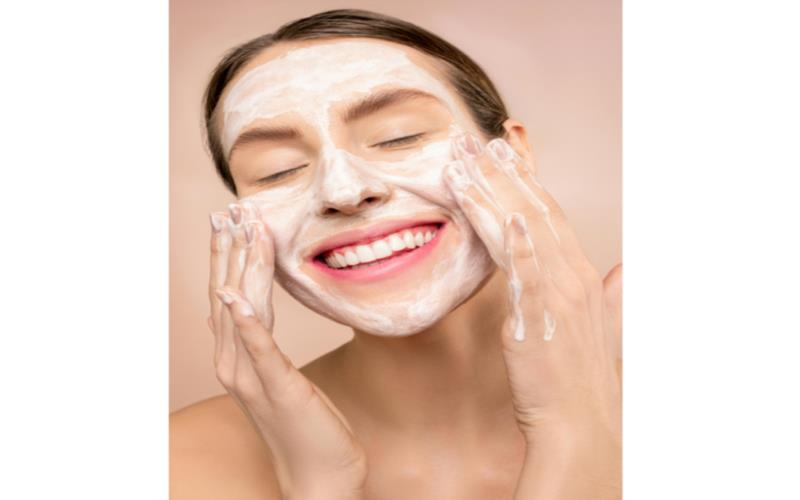
Constantly defending the body from outside hazards, the skin is an amazing organ that also helps to preserve its natural barrier via regeneration. Many, meantime, ignore the need for a careful skincare regimen. Beyond just getting a perfect complexion, good general health depends on proper skin care, which also increases confidence and helps aging gracefully. The actual secret is knowing your skin’s particular demands and pledging to constantly nurture and preserve it, not about following trends or stuffing yourself with cosmetics. Anyone may get the transforming results of consistency, expertise, and excellent products by developing a customized skincare routine.
Appreciating Skin’s Rhythm and Requirements
Every person’s skin continually adapts to different stresses and works in sync with their internal biology and surroundings. Learning this rhythm helps one create a skincare schedule. Genetics, lifestyle, temperature, and age all affect the demands of the skin; these factors also define its hydration degree, elasticity, and sensitivity.
The core of skin health is hydration. Often struggling with a damaged barrier, dehydrated skin causes problems like dullness, redness, and flaking. In the same vein, inadequate cleaning may let dirt and toxins build up and block pores and breakouts. Long-term development is possible by seeing how the skin responds to various environments and by keeping consistency in attending to its demands. Furthermore, understanding seasonal variations in skin behavior—such as dryness in colder months or oiliness in humidity—may help one choose products more wisely.
Creating a Foundation
Any sensible skincare regimen starts with washing, treating, and preserving. These three actions are not negotiable for preserving or obtaining good skin. Without removing the skin’s natural oils, a mild cleanser eliminates dirt. Often upsetting the delicate pH balance, harsh cleaners cause overproduction of oil or increased sensitivity.
Treatment covers certain issues such as fine wrinkles, acne, or pigment. Ingredients like salicylic acid treat breakouts; niacinamide improves skin tone and texture. Often in the form of sunscreen, protection is essential to stop UV damage, a main contributor to early aging. Frequent use of a broad-spectrum SPF protects the skin from damaging rays, therefore preserving its resilience and youthfulness.
Natural Substitute for Nourishment
Those who give sustainability and natural ingredients priority have come to rely on organic skin creams as friends. Combining plant-based extracts, vital oils, and vitamins, these creams hydrate, heal, and calm the skin. Organic creams fit even the most delicate skin types as they omit dangerous substances, unlike synthetic equivalents.
Often including aloe vera, chamomile, and shea butter—which together improve moisture and restore balance—these formulas’ Natural creams’ antioxidants fight free radicals, thereby lowering oxidative stress and enhancing flawless skin. Using organic cosmetics helps people not only promote the health of their skin but also encourage ecologically friendly living.
Using an organic skin cream consistently guarantees that the skin gets the nutrients it needs to heal itself as you sleep. With time, these lotions may improve elasticity, balance out skin tone, and provide a plump, young glow.
Exfoliation’s Function in Skin Renewal
An often disregarded yet crucial component of any skincare regimen is exfoliating. Eliminating dead skin cells from the surface improves texture and helps other skincare products be better absorbed. Frequent exfoliation also increases cellular turnover, thereby lessening the dullness and fine-line look.
Exfoliating may be done mostly physically or chemically. Granular particles in physical exfoliants—like scrubs—allow one to remove dead cells physically. Chemical exfoliants, including BHAs and AHAs, facilitate the skin’s natural shedding process by dissolving the bonds between dead cells.
The kind of skin determines the exfoliating technique to use. Although BHAs penetrate deeply to clean pores and oily, acne-prone skin benefits from them, dry and sensitive skin usually prefers the milder action of AHAs. One should avoid over-exfoliating as it compromises the skin barrier and causes sensitivity and inflammation.
Customizing Goods for Skin Type
The foundation of choosing the correct products is knowledge of skin type. Every kind of skin— oily, dry, mixed, sensitive—has different qualities and requirements. For example, lightweight, non–comedogenic formulations free from clogging of pores help oily skin flourish. Conversely, dry skin calls for heavier, emollient-based treatments meant to raise moisture content.
Combining skin calls for a measured strategy wherein certain parts are handled differently. For instance, the T-zone can demand oil-controlling treatments, whereas drier environments call for more hydration. Fragrance-free, hypoallergenic formulas meant to relax and protect sensitive skin, prone to redness and irritation, helps.
Customizing goods to one’s skin type helps the regimen be more successful in treating problems without overloading the skin. Frequent monitoring and modifications guarantee that the selected goods fit evolving demands.
Conclusion
Getting great, healthy skin calls for more than just a temporary commitment. With careful attention to its demands, intelligent product selections, and continuous care, the skin becomes evidence of commitment. From cleaning to nighttime rituals, every action advances toward long-lasting confidence and obvious results. Accept the adventure of skin care; the benefits will show themselves, as highlighted by eeetimes.