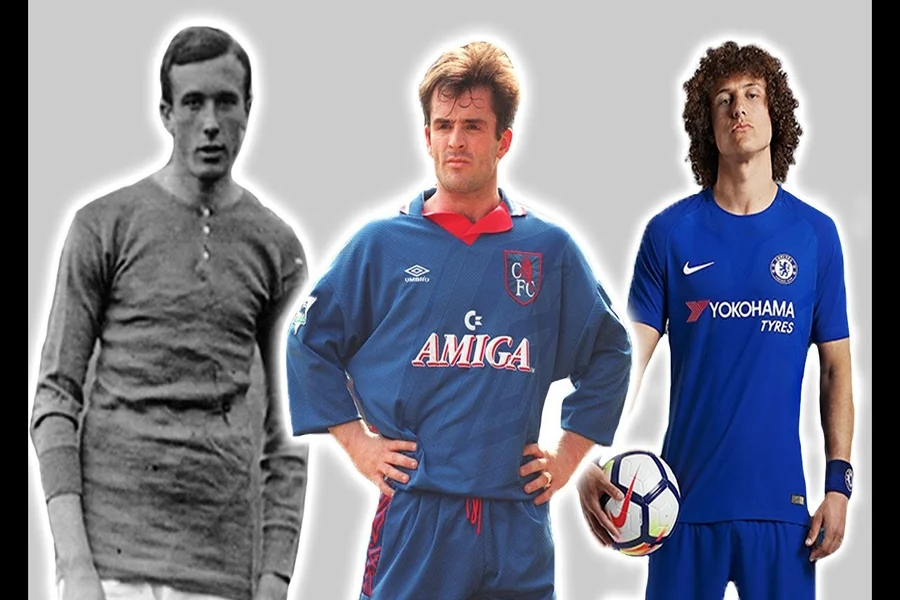
Since the 1970s, football shirts have undergone a remarkable journey from simple cotton garments to highly engineered performance wear. This evolution reflects shifts in technology, design aesthetics, commercial interests, and fan culture. Over the decades, each era introduced distinctive trends that not only defined the look of the game on the pitch but also influenced fashion and branding off it. Through this article, the progression of football shirt design will be examined, shedding light on the key innovations and cultural moments that shaped the kits worn by legends and enthusiasts alike.
The Iconic Designs of the 1970s
The 1970s marked the emergence of football shirts as symbols of team identity rather than just functional sportswear. Early kits were typically crafted from 100% cotton, offering comfort but lacking in moisture management. Bold color blocks, simple collars, and minimal embellishments characterized the decade’s aesthetics. In this period, home and away kits began to feature contrasting hues to avoid clashes, leading to the birth of the classic designs that remain memorable today.
Club emblems and basic embroidered badges started to appear on chests, delivering a sense of pride for players and supporters. The 1970s saw the first experiments with sublimated stripes, which allowed for permanent, washable patterns without adding extra weight. This era laid the groundwork for customization and paved the way for the introduction of new fabrics in later decades.
Technological Innovations in the 1980s
The 1980s ushered in a wave of synthetic materials designed to improve performance. Polyesters replaced traditional cotton, offering increased durability, faster drying times, and reduced weight. Teams began adopting mesh panels for ventilation, significantly enhancing player comfort under hot stadium lights. The decade also saw the advent of moisture-wicking technologies, which pulled sweat away from the body, keeping athletes cooler and drier during intense matches.
As engineering prowess advanced, shirt manufacturers collaborated closely with sports scientists. The development of heat-sealed logos and numbers eliminated stitching that could irritate the skin or collect water, streamlining production and improving on-field performance. For fans seeking authentic replica shirts, these innovations translated into more accurate reproductions of player gear.
For a carefully selected collection of original football shirts, visit classic-shirts.com and discover exclusive offers.
The Branding Boom of the 1990s
In the 1990s, football shirts transcended their athletic origins to become major vehicles for branding and marketing. Corporate sponsorship logos took center stage, transforming the front of jerseys into high-visibility advertising spaces. Brand placement drove lucrative deals for clubs, fueling the commercialization of the sport on a global scale. Fans embraced these shirts as lifestyle apparel, wearing them far beyond the stadium environment.
The decade’s bold, neon-infused color schemes and oversized logos reflected the era’s pop culture influences. Off-the-pitch fashion trends, such as baggy silhouettes and bright gradients, found their way into kit designs. Customization options expanded as clubs offered limited-edition releases, anniversary remakes, and player-specific variants to cater to devoted supporters.
Key features of this period included:
- Prominent sponsor patches
- Oversized manufacturer logos
- Distinctive patterns inspired by streetwear
Modern Materials and Performance Enhancements
Today’s football shirts represent the pinnacle of textile innovation. Lightweight, stretchable fabrics such as microfiber polyester and elastane blends offer optimal freedom of movement and shape retention. Advanced moisture management systems, including hydrophobic weaves and chemical treatments, ensure players remain dry under the most demanding conditions. Additionally, cut lines and seam placements are meticulously engineered to minimize chafing and maximize aerodynamics.
Customization has reached new heights with the integration of 3D-printed emblems and digitally applied graphics. These technologies allow for intricate detailing and precise color matching, elevating both aesthetic appeal and brand consistency. Environmental concerns have also driven the adoption of recycled materials, with leading manufacturers incorporating plastic waste into high-performance yarns without compromising quality.
The Influence of Sponsorships and Commercialization
The relationship between clubs and commercial partners has never been stronger. Sponsorship deals now extend beyond logos to include co-branded collections, co-created by sportswear brands and corporate entities. These partnerships often yield exclusive capsule lines, sold online and in flagship stores, creating additional revenue streams and engaging a broader consumer base.
Digital marketing campaigns amplify the reach of each new kit launch. Social media teasers, influencer collaborations, and augmented reality try-on features foster anticipation and allow fans worldwide to participate in the unveiling process. The modern football shirt is thus not just attire but a centerpiece of multi-channel storytelling and fan engagement.
Future Trends in Football Shirt Design
Looking ahead, the future of football shirts lies at the intersection of functionality, sustainability, and personalization. Researchers are exploring smart fabrics embedded with sensors to monitor player biometrics in real time, providing coaches with actionable data to optimize performance. Innovations in biodegradable textiles aim to reduce environmental impact at the end of a shirt’s lifecycle.
On the customization front, on-demand manufacturing will allow fans to design and produce unique kits in small batches, minimizing waste and ensuring individual expression. Virtual and mixed-reality experiences may soon enable customers to test shirt designs digitally before purchasing, further blurring the lines between physical merchandise and digital content.
Ultimately, the evolution of football shirts reflects broader shifts in technology, culture, and commerce. From the humble cotton jerseys of the 1970s to today’s cutting-edge performance wear, each innovation has left an indelible mark on the beautiful game. As the industry continues to evolve, fans can look forward to ever-more sophisticated designs that honor tradition while embracing the future.