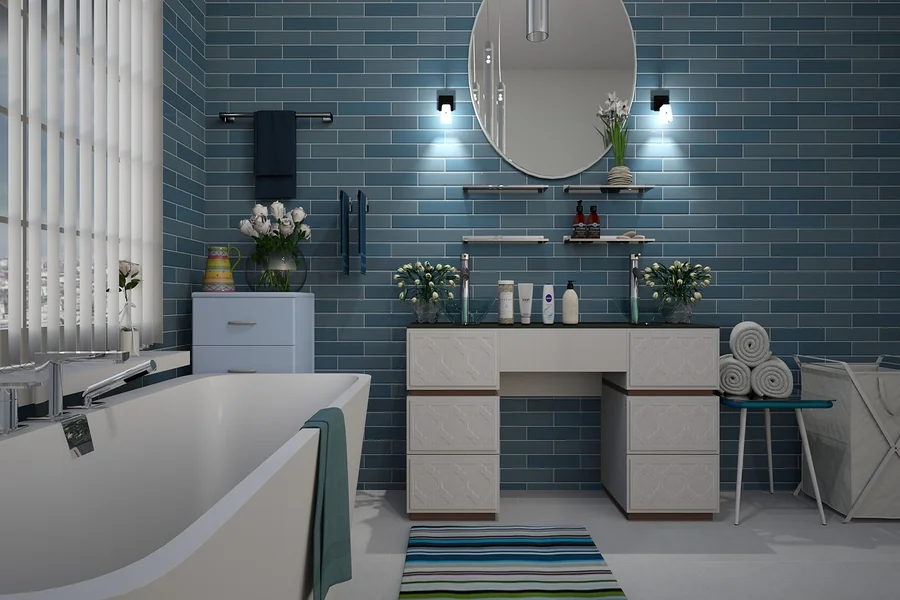
Maximalism is having a well-deserved moment in interior design, and bathrooms are the spaces where it shines the most. Once reduced to minimalist palettes, bathrooms are now seen as expressive, immersive spaces that celebrate color, pattern, texture, and personality. Yet maximalist design, particularly in such a functional and intimate room, requires a careful hand.
The most successful maximalist bathrooms layer bold elements thoughtfully, allowing each detail to contribute to a cohesive story. They don’t overwhelm the senses but invite exploration and delight, transforming everyday routines into moments of aesthetic pleasure.
Rethinking the Bathroom as a Creative Canvas
Minimalist bathrooms were designed to fade into the background: neutral tiles, simple fixtures, and minimal decoration were considered the safest choices, prioritizing hygiene and practicality above all else. But the trends have shifted, and nowadays homeowners are increasingly embracing the idea that bathrooms deserve the same level of design consideration as living rooms and bedrooms.
This shift reflects a broader movement toward creating homes that support emotional well-being. Bathrooms are seen as places of restoration and reflection. Maximalism, with its emphasis on sensory richness, offers a compelling way to elevate these spaces into something memorable.
By treating the bathroom as a creative canvas, designers can explore bolder palettes, more expressive materials, and layered textures. The challenge lies in balancing all these elements, so they all look and feel as a cohesive composition.
Layering Pattern Without Visual Chaos
Pattern is central to maximalist design, yet in bathrooms it must be applied in a thoughtful way, keeping in mind the size of the space. The key to balance is layering. Combining patterns of different scales creates visual interest and doesn’t overwhelm the space. Large-scale motifs on walls can be balanced by subtler patterns on floors or textiles, while intricate details can be reserved for even smaller surfaces.
Wallpaper, once considered impractical for bathrooms, has returned in moisture-resistant forms that offer endless opportunities for creative expression. Botanical prints, abstract designs, and painterly patterns bring warmth and personality to walls, especially in powder rooms and guest bathrooms.
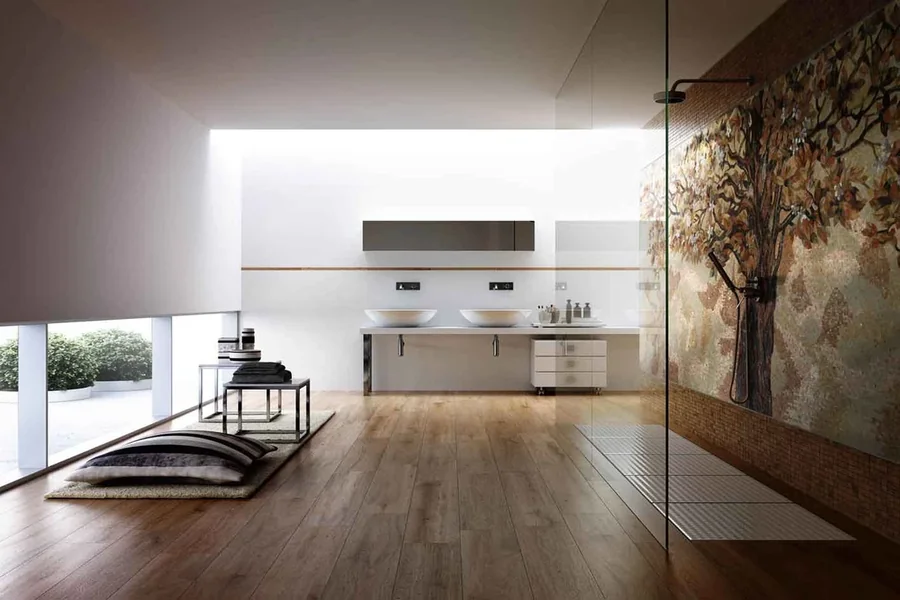
Tile patterns also play a significant role. Geometric layouts, encaustic-inspired designs, and textured surfaces add depth and movement. A mosaic shower wall can become the main visual anchor in the room, offering intricate detail while remaining contained within a defined area.
Color as an Emotional Anchor
Color is one of the most powerful tools in maximalist bathrooms. Deep jewel tones, rich earth shades, and saturated pastels can transform a small, utilitarian space into a cocoon of comfort and luxury. These hues evoke emotion, from the drama of emerald green, the warmth of terracotta, or the serenity of dusky blue.
Rather than scattering multiple bold colors throughout the room, it’s better to choose a core palette. This might involve layering several tones within the same color family or pairing one dominant shade with carefully chosen accents. This way, your design will feel harmonious and relaxing.
Metallic finishes, particularly brass, bronze, and brushed gold, enhance these palettes by adding warmth and reflective depth. When integrated into fixtures, mirrors, and lighting, they elevate the overall atmosphere without feeling excessive.
Texture: The Secret to Subtle Sophistication
Texture makes every space feel more alive, and bathrooms benefit greatly from it. By combining smooth and rough surfaces, matte and glossy finishes, designers create tactile richness that rewards close attention.
Natural stone, fluted wood, ribbed glass, and handcrafted ceramics all contribute to this layered effect. Even in boldly colored spaces, texture adds nuance, ensuring that the room feels dynamic weight.
Textiles play an equally important role. Plush towels, patterned bath mats, and upholstered stools introduce softness and comfort, balancing harder surfaces like tile and metal. These elements can be changed seasonally, allowing the room’s mood to evolve without a full renovation.
Art and Objects That Tell a Story
In maximalist bathrooms, decoration is not an afterthought but an integral part of the design narrative. Artwork, sculptural objects, and curated collections add personality and depth, transforming the space into a reflection of the homeowner’s tastes and experiences.
Framed prints, small paintings, and even photography can thrive in humidity-controlled environments, especially when protected behind glass. Decorative accessories, such as trays, vessels, and candles, contribute to the layered aesthetic while remaining functional. The key is thoughtful curation. Each object should feel intentional, contributing to the overall story rather than cluttering the space.
Lighting That Enhances Mood and Spotlights Detail
Lighting is essential in shaping the atmosphere, especially when it comes to maximalist bathrooms. Layered lighting schemes allow for both practicality and ambiance, ensuring the room functions well at all times of day.
Ambient lighting provides overall illumination, while task lighting at mirrors ensures clarity for grooming and makeup. Accent lighting highlights architectural details, textures, and decorative elements, adding depth and drama.
Wall sconces, pendant lights, and backlit mirrors introduce visual interest while casting flattering light. Warm-toned bulbs soften bold colors and enhance a sense of intimacy, particularly in the evening.
Turning Small Bathrooms Into a Statement
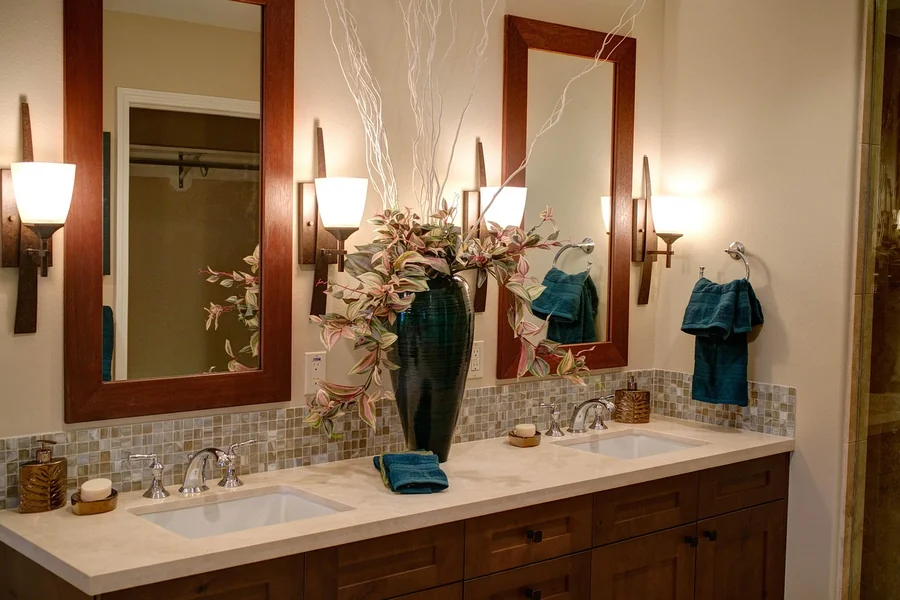
One of the joys of maximalist design is its ability to transform even the smallest spaces into memorable experiences. Powder rooms and compact en-suites are ideal candidates for bold experimentation, as their limited size sets the scene for dramatic choices and experimentation.
In these spaces, designers often push boundaries with vibrant wallpaper, statement lighting, and richly patterned tiles. Dark colors, far from shrinking a room, can create a cocooning effect that feels luxurious and intentional.
Strategic use of mirrors amplifies light and space, while carefully chosen fixtures maintain functionality. The result is a room that feels indulgent and immersive, proving that size need not limit ambition.
Materials That Add Depth and Character
Maximalist bathrooms thrive on material diversity. Natural stone, ceramic, wood, metal, and glass coexist in layered harmony, each contributing its own texture and tone.
Stone surfaces, whether in countertops, floors, or walls, provide a grounding presence. Their organic patterns and subtle variations balance more graphic elements. Wood introduces warmth and softness, particularly when used in cabinetry or shelving. In humid environments, it’s important to choose treated or engineered wood to avoid early deterioration.
Ceramics, with their endless variety of colors and finishes, allow for creative expression. Thoughtfully placed mosaic borders can frame architectural features, define zones, or subtly guide the eye towards other elements of design.
Creating Flow and Cohesion
Despite their richness, it is important for maximalist design to feel cohesive, otherwise there is a risk of turning it into a visual chaos. This cohesion comes from repeating certain elements, which can be color, material, or form, throughout the space.
For example, a dominant color might appear in wallpaper, towels, and small accessories, tying the room together. A particular metal finish might be echoed in fixtures, mirror frames, and lighting, reinforcing visual continuity.
Proportion also plays a crucial role. Balancing large-scale elements with smaller details prevents any single feature from overpowering the room. Thoughtful spacing allows the eye to rest, ensuring the overall effect remains harmonious.
Designing for Longevity
While maximalism celebrates abundance, it needs to remain timeless. It means focusing on quality materials, enduring color palettes, and classic forms that transcend fleeting fashions.
Investing in well-made fixtures, durable surfaces, and skilled craftsmanship ensures the space ages gracefully. Over time, patina and wear add character, reinforcing the sense of lived-in luxury.
Personal touches, from heirloom objects to travel-inspired accents, bring even more authenticity to the design. These details evolve with the homeowner, allowing the room to tell an ongoing story.