
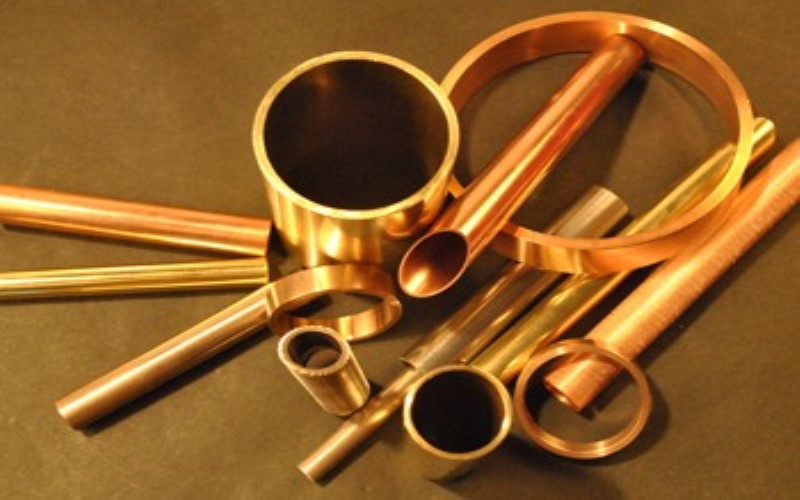
Metal selection significantly impacts product performance and longevity. Understanding material properties helps make informed manufacturing decisions.
Understanding Pure Copper
Pure copper offers exceptional electrical conductivity properties. Its thermal conductivity remains unmatched among common metals. Corrosion resistance makes it ideal for many applications.
Medical facilities value copper’s antimicrobial properties significantly. Electrical applications depend on its conductive characteristics. Thermal management systems utilize copper extensively. Read Much More about these versatile metals and their applications.
Exploring Brass Properties
Brass combines copper and zinc for unique advantages. Its golden appearance suits decorative applications perfectly. Machinability makes it popular in manufacturing.
Sound transmission properties benefit musical instruments greatly. Plumbing fixtures often utilize brass components. Maritime applications value its corrosion resistance.
Bronze Characteristics
Bronze alloys offer superior strength characteristics. Their wear resistance exceeds many other materials. Historical significance proves their lasting value.
Marine applications benefit from corrosion resistance. Bearing applications utilize bronze extensively. Artistic applications value its aesthetic properties.
Manufacturing Considerations
Each material requires specific machining approaches. Cutting speeds vary between these metals. Tool selection impacts surface finish quality.
Temperature control remains crucial during manufacturing. Proper coolant selection ensures optimal results. Expert knowledge ensures successful production.
Professional Solutions
Experienced manufacturers understand material-specific requirements. Chiggo specializes in copper alloy manufacturing. Their expertise ensures optimal results.
Based in China, they maintain strict quality standards. Advanced machinery handles various materials effectively. Experience guides material selection appropriately.
Industrial Applications
Electrical industries prefer pure copper components. Plumbing sectors often choose brass fittings. Marine applications utilize bronze extensively.
Each industry has specific material requirements. Performance needs guide material selection. Cost considerations influence final decisions.
Surface Treatments
Different finishes enhance material properties significantly. Protective coatings extend service life considerably. Treatment selection depends on application requirements.
Patina development affects appearance over time. Preventive treatments protect against corrosion. Environmental factors influence treatment choices.
Environmental Factors
Coastal environments affect materials differently. Indoor applications have unique considerations. Environmental exposure guides material selection.
Temperature fluctuations impact performance characteristics. Humidity levels influence corrosion rates. Understanding these factors ensures success.
Cost Analysis
Material costs vary significantly between options. Manufacturing complexity affects final pricing. Long-term durability justifies initial investments.
Maintenance requirements influence total ownership costs. Material availability affects procurement strategies. Budget constraints guide material choices.
Future Developments
New alloy combinations emerge regularly. Manufacturing processes continue advancing. Material science improves performance characteristics.
Research develops new applications constantly. Industry needs drive innovation forward. Technology enhances manufacturing capabilities.
Conclusion
Selecting appropriate materials requires careful consideration. Each metal serves specific purposes effectively. Understanding differences ensures project success.
Working with experienced manufacturers ensures optimal results. They help navigate material selection challenges. Their expertise translates into superior products.
Choose manufacturers who understand material properties thoroughly. Their knowledge ensures project success. Professional guidance delivers better outcomes consistently.