
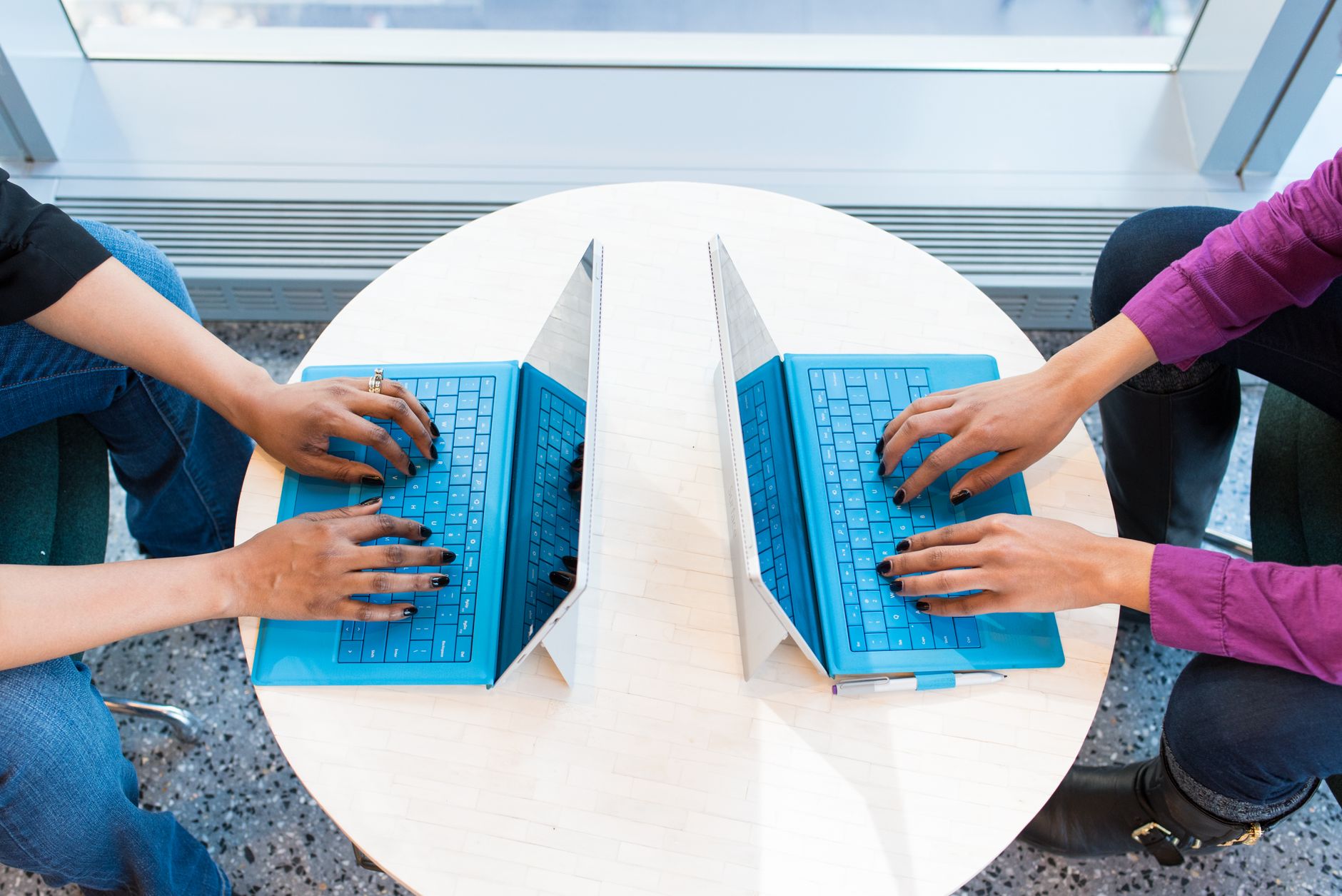
Technology has reshaped nearly every part of our daily routines, but few areas have changed as dramatically as the way we work and communicate. A meeting that once required everyone to be in the same office can now bring together colleagues from different countries in seconds. Documents move instantly between teams, projects can be managed from a phone, and conversations continue across email, messaging apps, video calls, and collaborative platforms. These changes have made work more flexible and connected, while also creating new expectations around speed, availability, and digital skills.
Communication itself has also become much more visual and informal. Teams regularly use screenshots, short videos, reactions, GIFs, and humor to express ideas that might otherwise require several sentences. Even something as simple as using a meme creator can help turn an everyday workplace observation into relatable visual content that colleagues immediately understand. These formats may seem casual, but they reflect a larger shift toward faster, more expressive communication in digital environments.
Remote Work Has Become a Practical Option
Perhaps the most noticeable change brought by technology is the growth of remote and hybrid work. For many jobs, being physically present in an office is no longer necessary every day.
Cloud-based software allows employees to access documents, dashboards, customer information, and project files from almost anywhere. Video conferencing platforms make face-to-face discussions possible without travel, while team communication tools help people stay connected throughout the day.
This flexibility can benefit both employees and companies. Workers may save hours previously spent commuting, while businesses can recruit talent from a much wider geographic area.
However, remote work also requires stronger communication habits. When coworkers cannot simply walk across the office and ask a question, instructions need to be clearer. Teams must document decisions, establish communication channels, and make expectations easy to understand.
Collaboration Is Happening in Real Time
Not long ago, collaborating on a document often meant emailing different versions back and forth. One person might edit a file, send it to someone else, and then wait for feedback.
Modern collaboration tools have largely eliminated that process.
Multiple people can now work on the same document simultaneously, leave comments, track changes, assign tasks, and see updates immediately. Designers, marketers, developers, writers, and managers can contribute to the same project without constantly exchanging separate files.
This real-time collaboration can significantly speed up decision-making. A marketing team, for example, might review a campaign draft while a designer updates visuals and a project manager adjusts deadlines—all within the same digital workspace.
The result is a more connected workflow where information becomes easier to share and less likely to disappear inside long email chains.
Artificial Intelligence Is Changing Everyday Tasks
Artificial intelligence is becoming another important part of modern work. Rather than being limited to highly technical industries, AI tools are now appearing in everyday business processes.
Employees can use AI to summarize lengthy documents, organize information, generate initial ideas, analyze large datasets, automate routine customer questions, or identify patterns that might otherwise take hours to find.
That does not necessarily mean technology replaces human judgment. In many situations, it changes where people spend their time.
Instead of manually completing repetitive administrative tasks, employees can focus more attention on strategy, creativity, problem-solving, and relationships. A salesperson might spend less time entering information into a system and more time speaking with customers. A marketer might automate basic reporting while concentrating on interpreting the results.
The most effective approach is often to treat AI as an assistant rather than a substitute for thoughtful decision-making.
Communication Has Become Faster—and More Complex
Speed is one of technology’s greatest advantages, but it can also create challenges.
A workplace conversation may now happen across email, Slack, Microsoft Teams, project management software, video meetings, and text messages. While these tools make communication convenient, using too many platforms can leave employees wondering where important information actually lives.
Teams can reduce this problem by establishing simple communication rules.
For example, urgent questions might belong in instant messaging, formal decisions might be documented in project management software, and complex discussions might be handled through meetings. Having clear expectations prevents employees from constantly checking every platform.
The goal should not simply be faster communication. It should be communication that helps people understand what they need to know without creating unnecessary noise.
Digital Tools Are Making Work More Flexible
Technology has also changed when work happens.
Cloud platforms and mobile devices allow many professionals to complete tasks outside traditional office hours or locations. Someone can review a presentation while traveling, approve a project from home, or respond to an important client message without being at a desk.
For employees with different schedules, responsibilities, or time zones, this flexibility can be extremely useful.
At the same time, constant connectivity can blur the boundary between work and personal life. When work tools are always available on a smartphone, employees may feel pressure to respond immediately—even after the workday has ended.
Healthy digital workplaces recognize that accessibility does not have to mean permanent availability. Establishing reasonable response expectations and encouraging employees to disconnect can make technology more helpful rather than exhausting.
Digital Skills Are Becoming Essential
As workplaces adopt more technology, digital literacy is becoming important across almost every profession.
Employees do not necessarily need advanced technical expertise, but they increasingly need to understand how to work comfortably with digital tools. This might include organizing files in cloud systems, participating in virtual meetings, managing online projects, protecting sensitive information, or learning new software.
Adaptability is especially valuable because specific tools will continue to change.
The platform a company uses today may be replaced several years from now. Employees who are comfortable learning new systems can adjust more easily than those who depend entirely on one particular tool.
For businesses, this makes ongoing training important. Introducing new technology without teaching employees how or why to use it can create frustration instead of productivity.
Technology Is Changing Workplace Culture
Digital tools do more than change tasks. They also influence workplace relationships.
Employees working across different locations need new ways to build trust and maintain team culture. Small interactions that happen naturally in an office—chatting before a meeting, asking a quick question, sharing a joke—may need to happen intentionally online.
Some organizations respond by creating informal communication channels, virtual social events, or regular one-on-one conversations. Others encourage occasional in-person meetings while maintaining flexible remote schedules.
The exact approach will vary between companies, but human connection remains important even when communication happens through screens.
Technology works best when it strengthens relationships rather than making interactions feel purely transactional.
Finding the Right Balance
The future of work will probably involve even more technology, automation, and digital collaboration. New tools will continue to make certain tasks faster while changing the skills employees need to succeed.
Still, adopting every new platform is rarely the answer.
Companies should focus on technology that solves genuine problems. Before introducing another tool, teams can ask whether it simplifies a workflow, improves communication, saves meaningful time, or helps employees perform their jobs more effectively.
The same principle applies to individuals. Learning how to use technology intentionally is more valuable than simply using more of it.
Conclusion
Technology has transformed work from a largely location-based activity into something increasingly flexible, collaborative, and connected. Remote work, cloud platforms, artificial intelligence, instant communication, and digital collaboration tools have opened possibilities that would have been difficult to imagine only a few decades ago.
Yet the most important part of work has not changed. People still need clear communication, strong relationships, thoughtful decisions, and meaningful collaboration. Technology can make all of these things easier, but only when it is used with purpose. The workplaces that adapt successfully will be those that combine the efficiency of modern tools with the judgment, creativity, and human connection that technology cannot replace.