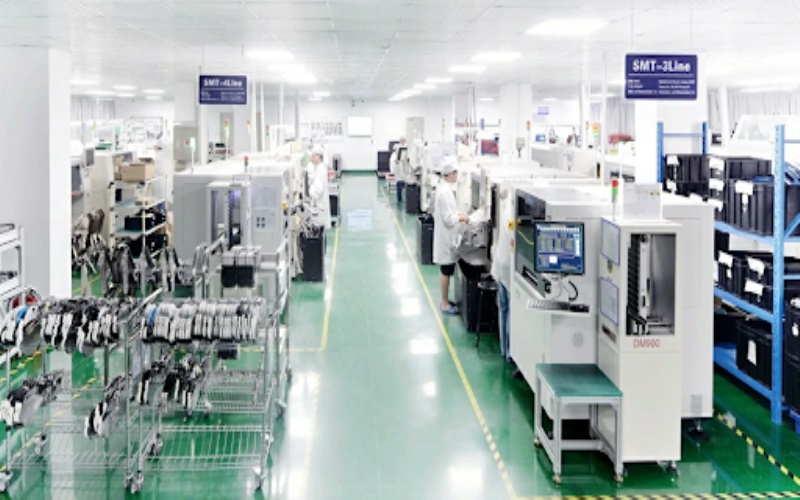
In the fast-paced world of modern automotive design, PCBA and PCB technologies are at the heart of innovation. Whether it’s advanced driver-assistance systems (ADAS), electric vehicle (EV) power management, or infotainment systems, these components play a critical role in shaping the future of mobility. But what exactly are they, and why are they so important?
What is PCBA?
PCBA stands for Printed Circuit Board Assembly. It refers to a printed circuit board (PCB) that has been assembled with electronic components like resistors, capacitors, microchips, and connectors. This assembly transforms the plain board into a functional module that can be integrated into electronic devices, including cars.
In the context of automotive electronics, PCBA is crucial for ensuring the reliability and performance of systems that drivers and passengers depend on every day. For instance, a well-designed PCBA powers everything from engine control units (ECUs) to advanced safety features like lane-keeping assist and automatic emergency braking.
The Role of PCB in Automotive Applications
A PCB, or Printed Circuit Board, serves as the foundational platform where electrical circuits are created. Automotive-grade PCBs are designed to withstand harsh conditions, such as extreme temperatures, vibrations, and exposure to moisture. These boards form the backbone of many vehicle systems, including:
- Engine and Transmission Controls: PCB automotive designs are critical for the smooth operation of a vehicle’s drivetrain, enabling precise control over fuel injection, ignition timing, and gear shifting.
- Safety Systems: From airbags to ABS brakes, PCB technology ensures these features operate reliably under demanding conditions.
- Infotainment Systems: High-performance PCBs enable seamless connectivity, crystal-clear displays, and robust audio systems for an enhanced driving experience.
- Electric Vehicles (EVs): In EVs, PCBs are integral to battery management systems, charging interfaces, and motor controllers.

Why Quality Matters
The automotive industry places a high emphasis on the quality and reliability of PCBA and PCB components. With lives potentially at stake, manufacturers follow rigorous standards like ISO 9001, IATF 16949, and IPC-A-610 to ensure defect-free production. Advanced testing methods, such as automated optical inspection (AOI) and in-circuit testing (ICT), are employed to detect and eliminate issues early.
The Future of PCBA and PCB in Automotive
As vehicles become more intelligent and connected, the demands on PCBA and PCB technologies are only increasing. Innovations like autonomous driving, 5G connectivity, and enhanced EV capabilities rely heavily on advanced electronics.
Emerging trends such as flexible PCBs, which can adapt to unconventional designs, and the use of sustainable materials are shaping the next generation of automotive electronics. Additionally, manufacturers are exploring ways to improve heat dissipation and reduce power consumption, making these components even more efficient.
Conclusion
Understanding the significance of PCBA and PCB in the automotive world sheds light on the complex ecosystem driving vehicle innovation. These components are more than just technical elements; they represent the backbone of modern mobility, ensuring safety, performance, and connectivity. As the industry continues to evolve, the role of PCBA and PCB will remain central to delivering smarter, safer, and greener vehicles.